How are the UK’s owls doing?
Some up, some sharply down, and one that’s hard to count. Plus the threats, and what is known about fixing them.
| Species | Conservation status | Population & trend |
|---|---|---|
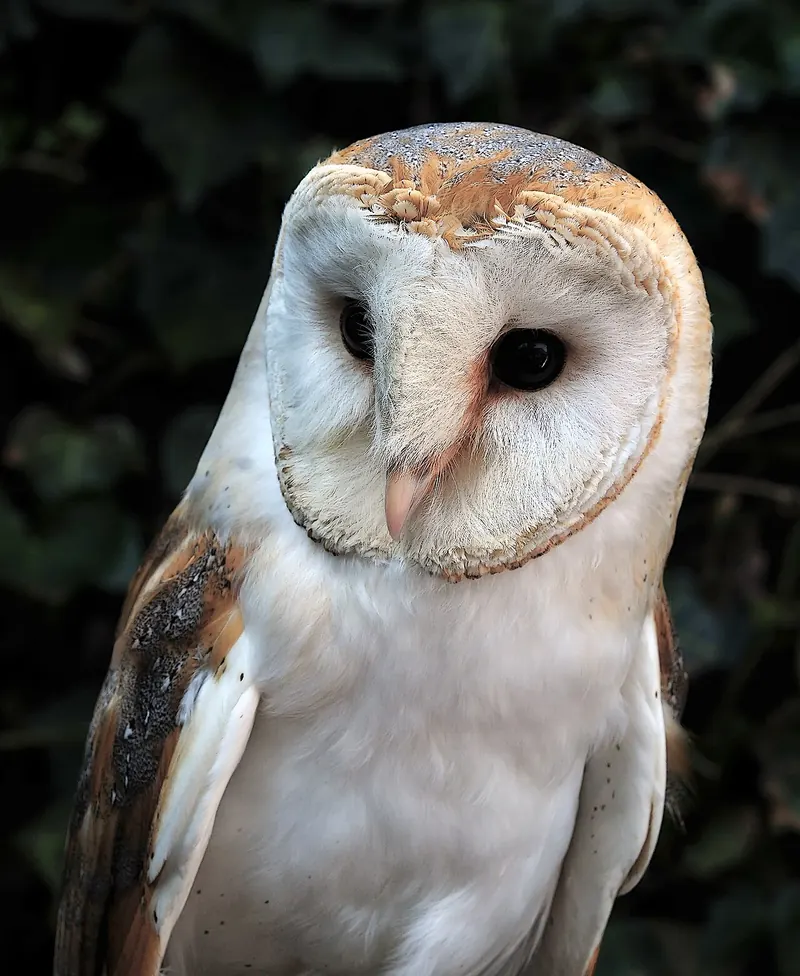
| Barn owl | Barn owl: Green-listed in the UK (Birds of Conservation Concern). source | BTO lists the UK barn owl population at 4,000 pairs (2016) and a breeding-population increase of 223% (1995–2024). BTO |
| Tawny owl | Tawny owl: Amber-listed. It is the UK’s most common owl, but RSPB says numbers fell by more than 40% between 1995 and 2023. source | BTO: about 50,000 pairs of tawny owls (2005). Its detailed trend is −39% (1967–2024), though its summary box calls the trend “stable”, because tawnies are hard to monitor. BTO |
| Little owl | Little owl: “Not assessed”. It was introduced to Britain in the 19th century, so it isn’t given a UK conservation colour. source | BTO puts little owls at about 3,600 pairs (2016), with a fall of 88% (1967–2024). BTO |
| Long-eared owl | Long-eared owl: Green-listed in the UK. source | BTO: about 1,800 pairs of long-eared owls (2007–11). They are so secretive that this is hard to measure. BTO |
| Short-eared owl | Short-eared owl: Amber-listed, partly because it is of European conservation concern. source | BTO: about 620 pairs of short-eared owls (2007–11); the latest estimate range is 620 to 2,200 pairs. The breeding range has almost halved since 1968–72. BTO |
BTO: about 50,000 pairs of tawny owls (2005). Its detailed trend is −39% (1967–2024), though its summary box calls the trend “stable”, because tawnies are hard to monitor. BTO Nobody is sure why tawny owls have declined. Woodland management, urbanisation and climate effects on prey are among the suspects. source
Barn owls: a better story, with bad years
There has only ever been one reliable UK-wide barn owl survey (1995–97): almost 4,000 pairs, ±30%. source The barn owl moved from amber to the UK green list in 2015. source
In 2024, 1,789 barn owl nests were monitored and occupancy was 39% above average. source 2025 was a terrible year: active barn owl nests were about 25% below average, the worst breeding year in a decade, likely linked to drought. source
The RSPB says barn owl declines in the 1950s and 60s are thought to have been caused by organochlorine pesticides such as DDT. RSPB
Little owls
The Barn Owl Trust estimates around 6,000 pairs of little owls in Britain. source The BTO figure above is lower. Both are estimates, and we show both. Little owls were introduced to England in the 1800s, and they are absent from Ireland. source
The big threats
Rat poison
Most rat poisons used today are highly toxic SGARs (second-generation anticoagulant rodenticides). source The share of barn owls found contaminated with these rodenticides peaked at 94% in 2015; the latest (2022) figure is virtually 80%. source Earlier monitoring found 100% of kestrels examined in 2011 were contaminated, along with 94% of red kites. source The poisons found in barn owls are 100 to 1,000 times more acutely toxic than warfarin. source
Roads
In a typical year Britain’s barn owls raise about 12,000 young, and an estimated 3,000–5,000 of them are killed on roads. source Less than 2% of Britain’s roads are major roads, but that’s where over 90% of barn owl road casualties are found. source Most road deaths happen in autumn and involve young barn owls dispersing from home. source The fix for roads is to plant high hedges or close lines of trees on both sides, which forces owls to fly up and over the traffic. source
Drowning
Barn owls drown in cattle troughs, water butts and buckets. Any steep-sided container more than about 120 mm deep is a potential death-trap. source The fix is a purpose-made float. A floating log or plank does not work. source The Barn Owl Trust once found the remains of two barn owls, two little owls and a kestrel in one trough. source
Hunger and weather
They can’t store much body fat, so barn owls are prone to starvation in long spells of bad weather. source Snow more than about 70 mm deep, or frozen hard, makes it very hard for barn owls to catch voles and shrews hidden underneath. source Barn owl deaths peak between December and March, mostly from starvation. source A long study in south-west Scotland found barn owl survival tracked vole numbers more closely than winter weather. source
Worldwide
Worldwide, owls face habitat loss, pesticides, viruses and vehicle collisions. Wikipedia Almost all owls are listed on Appendix II of CITES, the treaty that controls international wildlife trade, and four species are on Appendix I. source In 2008 a news report from Malaysia described 900 plucked, “oven-ready” owls being seized. source The snowy owl was uplisted to Vulnerable by the IUCN in 2017 after evidence that its population is far smaller than once thought. source
The law (UK)
Barn owls are on Schedules 1 and 9: it is illegal to disturb them at the nest, and illegal to release them into the wild. source Barn owls are on Schedule 1, so offences can mean a fine of up to £5,000 or six months’ prison, per bird, nest or egg. source Tawny and little owls don’t get the barn owl’s special Schedule 1 protection against disturbance while nesting. source