Practical ways to help owls
In rough order of impact: grass, safer rat control, water safety, roads and nest boxes.
1. Let some grass grow rough
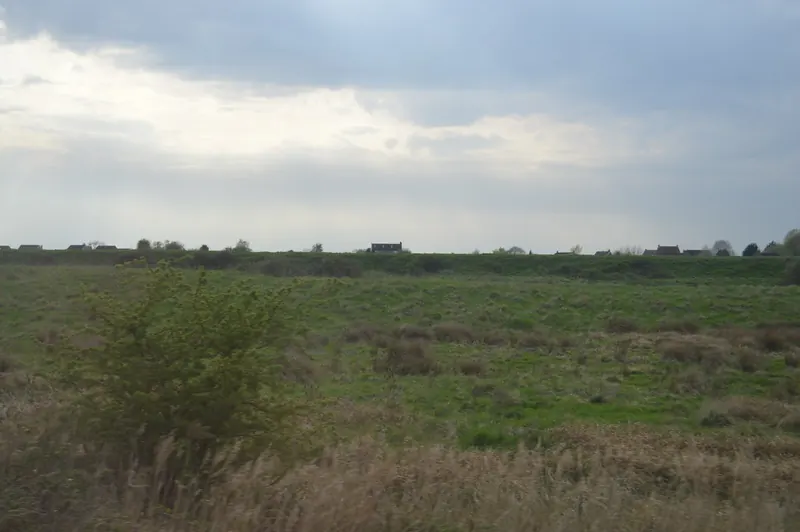
Rough grassland is the best barn owl hunting habitat in Britain, because thick grass shelters voles, so they build up in good numbers. source Barn owls need 14–47 hectares of rough grassland within 2 km of a nest site, depending on the landscape: arable 14–21 ha, mixed 17–26, pastoral 31–47. source
Barn owls hunt by flying low (up to about 3 metres) and slowly back and forth, relying mostly on sound, often hovering before the pounce. source Barn owls have remarkably long legs, toes and talons for reaching prey at the base of deep grass. Prey is thought to be killed by the clench of the feet rather than a peck. source
2. Control rats without poisoning owls
Most rat poisons used today are highly toxic SGARs (second-generation anticoagulant rodenticides). source The share of barn owls found contaminated with these rodenticides peaked at 94% in 2015; the latest (2022) figure is virtually 80%. source
Safer rat control, in order: remove food, remove shelter (harbourage), encourage natural predators, and use traps. Poison is a last resort. source Government-funded research found that removing harbourage is as effective as using poison. source Avoid “preventative” and permanent baiting, which the Barn Owl Trust calls a major cause of secondary poisoning. source
3. Make water safe
Barn owls drown in cattle troughs, water butts and buckets. Any steep-sided container more than about 120 mm deep is a potential death-trap. source The fix is a purpose-made float. A floating log or plank does not work. source
4. Think about roads
Less than 2% of Britain’s roads are major roads, but that’s where over 90% of barn owl road casualties are found. source The fix for roads is to plant high hedges or close lines of trees on both sides, which forces owls to fly up and over the traffic. source Don’t put up a barn owl nestbox within 1 km of a major road unless the road has continuous screens on both sides. source
5. Put up a nest box (in the right place)
Without a nestbox, only 48% of old barns have a nesting place, and 97% of modern barns are unsuitable. source See our nest box page for siting advice.
6. Record what you see
You can record wild barn owl sightings on the Barn Owl Trust’s Barn Owl Survey website. source Report ringed barn owls you find: ring recoveries feed vital science, and 1 in 7 ringed barn owls are recovered. source On the Isle of Man: The last comprehensive assessment of Manx barn owls was the Manx Bird Atlas (Sharpe et al. 2006), so sightings help. source Manx owl records are treated as sensitive. Please don’t share nest locations publicly. source
Affiliate links: As an Amazon Associate I earn from qualifying purchases. Kit for helping owls: barn owl nest boxes, tawny owl nest boxes and rat traps (search links). Check any box against the Barn Owl Trust’s siting advice first.