Owl nest boxes: where, when and how
A box in the wrong place can do more harm than good. Here’s what the Barn Owl Trust advises.
Barn owl boxes
Without a nestbox, only 48% of old barns have a nesting place, and 97% of modern barns are unsuitable. source
Barn owl nestboxes in buildings work best in a rural building at least 4 m high with an opening 3 m or more above the ground, ideally within 1 km of rough grassland. source
Avoid urban, suburban, dense forest and high-mountain areas for barn owl boxes. source Don’t put up a barn owl nestbox within 1 km of a major road unless the road has continuous screens on both sides. source
Barn owls need 14–47 hectares of rough grassland within 2 km of a nest site, depending on the landscape: arable 14–21 ha, mixed 17–26, pastoral 31–47. source
Clean out a barn owl box between November and January, when it is least likely to be in use. source Barn owls are on Schedules 1 and 9: it is illegal to disturb them at the nest, and illegal to release them into the wild. source
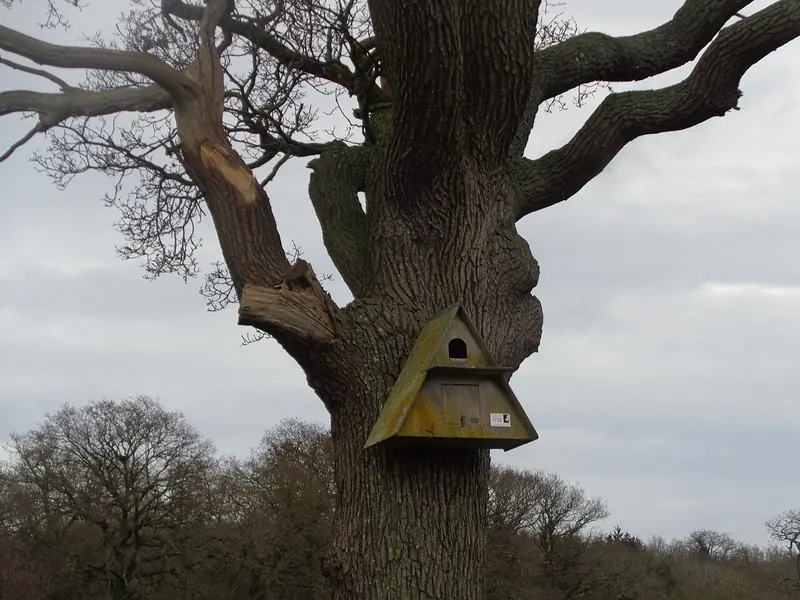
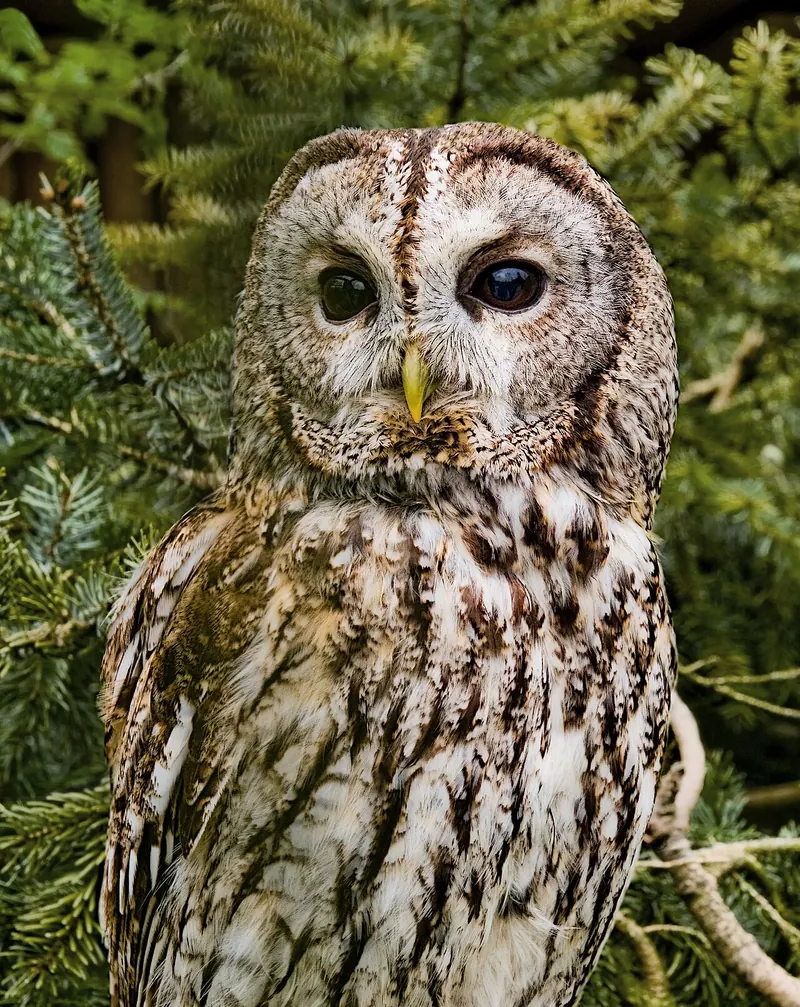
Tawny owl boxes
Tawny owl boxes go in mature trees at least 3 m up (3.7 m or more where people pass), with the entrance away from the prevailing wind. source
Do tawny box maintenance in early autumn, when the box is least likely to be in use. source
Tawny owls defend their nests fiercely, so full face and head protection is recommended when checking a box. source
Little owls
Little owls nest in cavities, mostly tree holes in the UK. They lay 3–5 eggs towards the end of April and incubate them for about a month. source We couldn’t verify box dimensions for little owls from the sources we used, so we haven’t printed any.
Affiliate links: As an Amazon Associate I earn from qualifying purchases. Ready-made boxes: barn owl boxes · tawny owl boxes (search links).