Owls in story and belief
Wisdom in Athens, luck in Japan, death in Kenya, and a lot of Shakespeare.
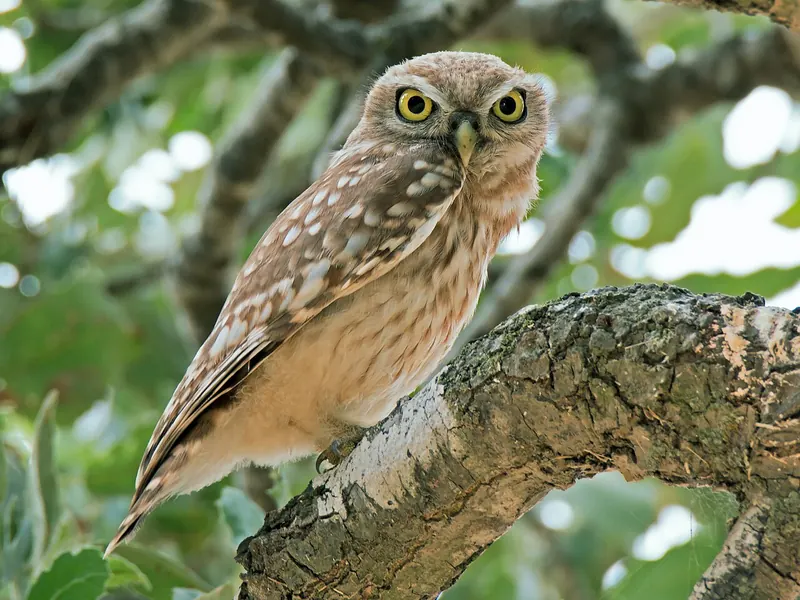
The link between owls and wisdom goes back at least to Ancient Greece, where the owl was a symbol of Athena, goddess of wisdom. source The little owl’s scientific genus, Athene, commemorates the Greek goddess Athena, and a little owl with an olive branch appears on the modern Greek one-euro coin. source
In Hinduism, the owl is the mount (vahana) of the goddess Lakshmi and can symbolise wealth and good fortune. source
In Japan owls are regarded as lucky, although in ancient times they were associated with death. source
Among the Kikuyu of Kenya, owls were believed to be harbingers of death. source
The barn owl has many folk names, including ghost owl and demon owl. source The Manx name for the barn owl is caillagh oie, “night hag”. Manx BirdLife
Shakespeare put the tawny owl’s call into Love’s Labour’s Lost: “Tu-whit; Tu-who, a merry note”. source
A group of owls is called a “parliament”. source
Harry Potter’s Hedwig is a female snowy owl. source
Folklore pages on Wikipedia gather beliefs from many cultures and periods. We report what’s said, not whether owls are actually lucky. (They are, however, objectively excellent.)