Should you keep an owl? An honest answer
Short version: almost certainly not. Here’s why, from people who deal with the consequences.
The Barn Owl Trust does not consider barn owls good pets. Barn Owl Trust Captive barn owls have a life expectancy of about 20 years, which is a long commitment. source
What it’s actually like
- Owls are most active when hungry, so most of the time a captive owl is completely inactive. source
- Indoors, expect long white droppings streaked across curtains and furniture. source
- Sharp talons and strong feet can inflict deep puncture wounds. source
- Owl feathers aren’t designed for stroking, which reduces their natural waterproofing. source
- Owls are notoriously difficult to train. source
- Hand-reared (imprinted) owls may treat people as mates or rivals, can be very aggressive, and may keep calling for food. source
The law and the exit plan
- Releasing a captive-bred barn owl is illegal (up to £5,000 and/or 6 months’ prison per bird), and the owl is unlikely to survive more than a week. source
- Commercial use of a captive-bred barn owl, including sale, needs an Article 10 certificate. source
- Bird sanctuaries often refuse to take captive-bred barn owls. source
- Barn owls are on Schedules 1 and 9: it is illegal to disturb them at the nest, and illegal to release them into the wild. source
About Hedwig
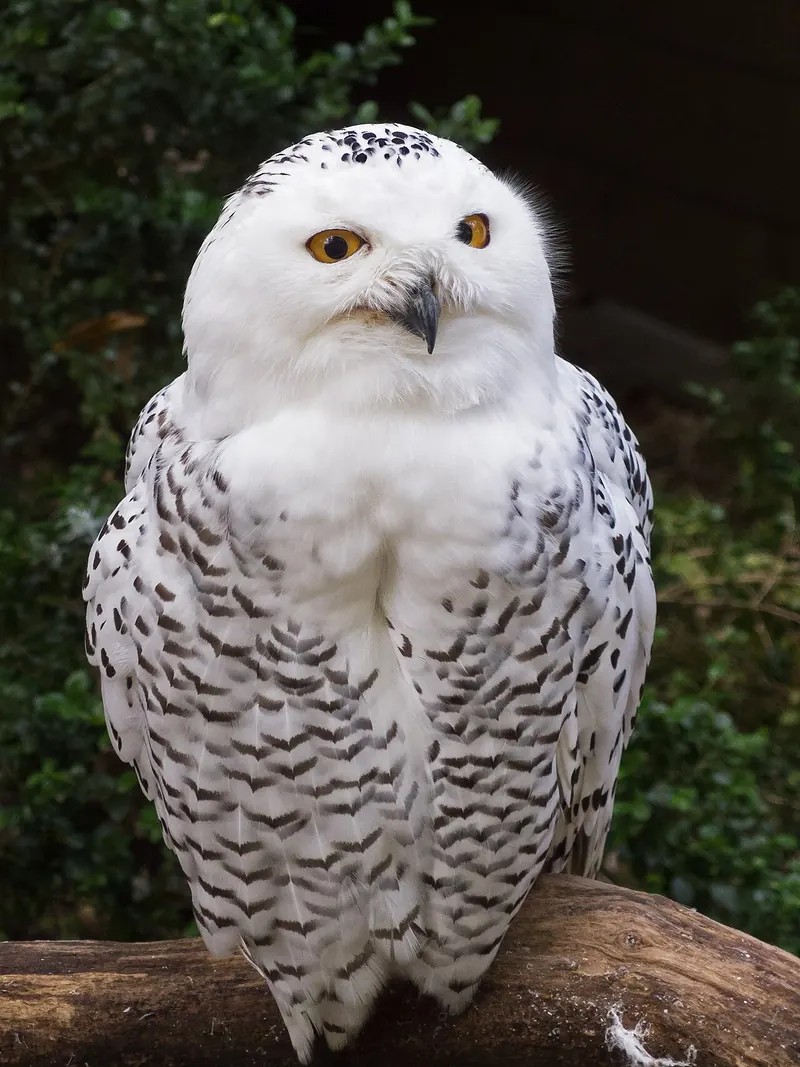
Harry Potter’s Hedwig is a female snowy owl. source Hedwig is fiction. A real owl in a house is the list above.
The network never sells live animals. If you love owls, see how to help wild ones or support a sanctuary.